Taiwan's government responds cautiously to Donald Trump's latest criticisms over its semiconductor industry, emphasizing continued engagement with the US while safeguarding its technological and economic interests in a shifting global supply chain.
Taiwan’s government moved quickly on Thursday to contain the potential fallout from Donald Trump’s latest criticism of the island’s semiconductor industry. The US president again accused Taiwan of taking America’s chip business and threatened steep tariffs on semiconductor exports to the United States. The remarks placed one of the world’s most important electronics supply chains back at the center of a politically sensitive trade dispute.
Taipei’s initial response emphasized continuity rather than confrontation. Officials said Taiwan would keep engaging Washington through established channels and continue treating its trade and technology relationship with the United States as active and important. That approach reflects the close connection between Taiwan’s economy, global electronics sourcing, advanced chip production, logistics networks, and the broader US effort to strengthen domestic semiconductor manufacturing.
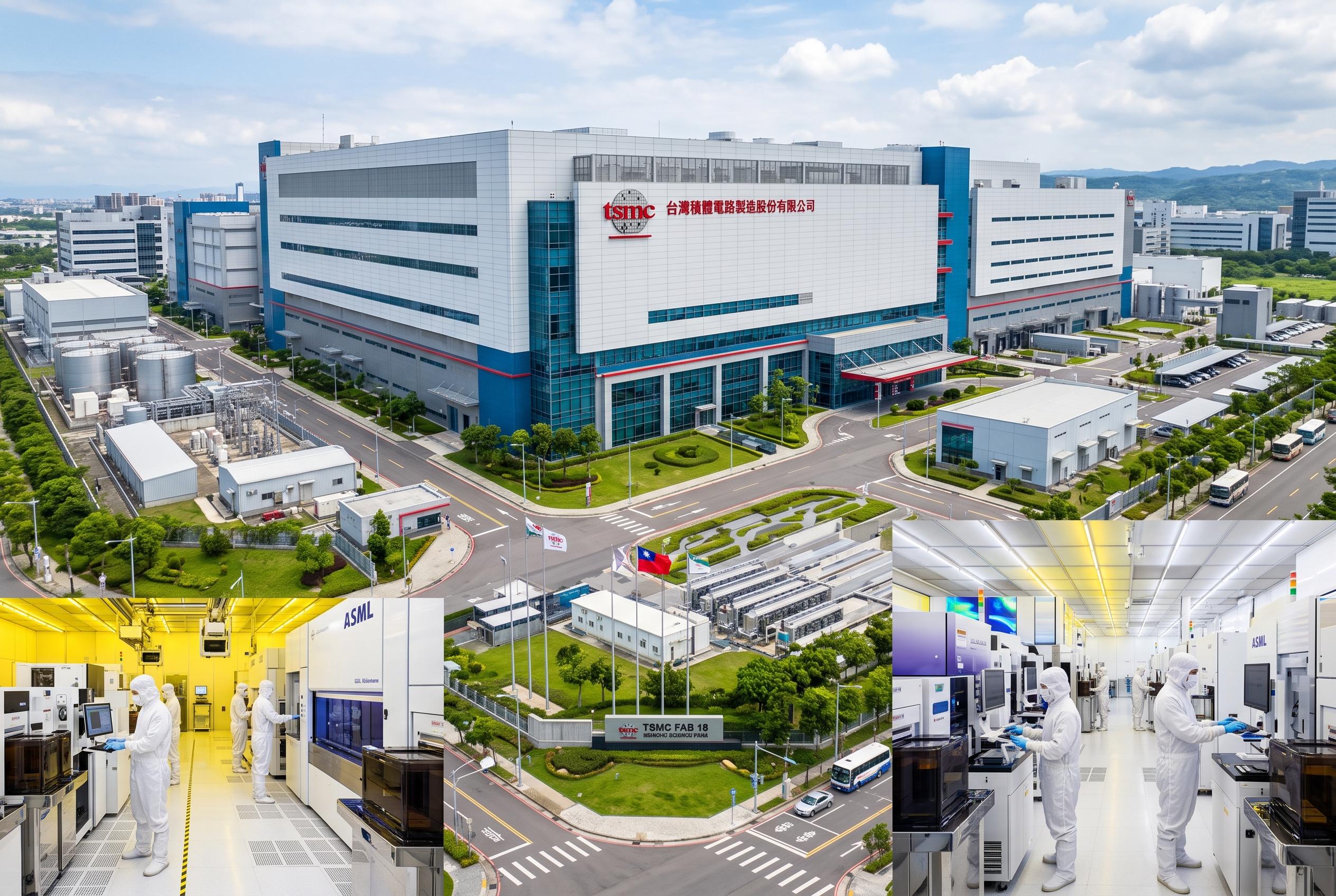
Taiwan is a major part of the international semiconductor supply chain, and its chip companies serve customers involved in electronics, mobile devices, artificial intelligence, data centers, and other high-technology industries. As a result, any major change in tariff policy could affect more than bilateral trade. It could also influence sourcing decisions, manufacturing costs, investment plans, and the movement of products through international logistics networks.
For Taipei, the immediate priority appeared to be limiting uncertainty while keeping negotiations open. Rather than treating Trump’s comments as a final policy decision, the government said it would continue communicating with American counterparts. The response also sought to distinguish between public political statements and the formal mechanisms already created to manage trade, investment, tariffs, and market access.
National Science and Technology Council Deputy Minister Chang Chen-hung initially responded by saying Trump often makes provocative remarks. Chang said Taiwan would remain focused on its own industrial development, including infrastructure, research, and future innovation. His comments suggested that Taipei did not intend to allow the latest criticism to distract from longer-term plans to strengthen the island’s technology base.
Chang later clarified that the government was not dismissing the issue. According to local media reports, he said Taiwan places great importance on its relationship with the United States and would continue communicating with American officials. The clarification added a more measured tone to the government’s response: Taiwan would defend its industrial interests while maintaining dialogue with Washington.
That balance is important because the dispute involves both commercial and strategic concerns. Taiwan’s chip industry is deeply connected to the global electronics economy, while the United States views domestic semiconductor capacity as an important economic and security priority. The two governments therefore have overlapping interests, even as they disagree over trade conditions and the future location of chip production.
Taiwan’s position also reflects the practical complexity of semiconductor sourcing. Advanced chips are produced through international networks involving research, design, manufacturing, equipment, energy, packaging, transportation, and end-market distribution. A policy that pushes companies to relocate production can affect the costs and timing of the entire chain. It may also influence how businesses plan investments in factories, infrastructure, and supporting services.
Trade Mechanisms and Tariff Discussions
Executive Yuan spokesperson Michelle Lee said Taiwan and the United States signed a trade memorandum in July and that several tariff-related benefits have already taken effect. She said the two sides are continuing to work through a government-to-government mechanism intended to help Taiwanese companies negotiate with US authorities.
That mechanism includes arrangements connected to exemptions and product lists. Such procedures matter to companies that export electronics and other products to the US market because tariff treatment can affect pricing, contract negotiations, inventory planning, and logistics costs. For Taiwanese firms, clarity over which goods qualify for exemptions or favorable treatment can be significant when determining where to manufacture and how to organize supply chains.
Lee’s comments came after Washington and Taipei reached a reciprocal trade agreement earlier this year. The agreement was designed to reduce barriers and improve market access. It also linked preferential treatment for semiconductors to Taiwanese investment in US chip capacity.
The arrangement therefore combines trade policy with industrial investment. On one side, Taiwanese companies may seek improved access to the US market and protection from additional tariff pressure. On the other, Washington is encouraging more semiconductor manufacturing inside the United States. The connection between these issues has made the trade relationship especially important for companies involved in chips, electronics, mobile technology, artificial intelligence, and related manufacturing.
The government-to-government process described by Lee also indicates that the tariff question is being handled through formal channels rather than only through public statements. Taiwan’s officials said they would continue using those channels while working to protect the interests of Taiwanese companies. The approach leaves room for further discussions over exemptions, product categories, investment commitments, and preferential treatment.
At the same time, Trump’s comments have revived questions about whether Taiwan could be pressured to move a larger share of its chip production to the United States. That possibility has been a source of concern for Taiwan’s government and technology sector because semiconductor manufacturing is closely connected to the island’s industrial base, research capabilities, infrastructure, and highly developed supplier networks.
Dispute Over a 50-50 Production Split
Taiwan’s government rejected the idea in October 2025 that it had agreed to divide semiconductor production equally between Taiwan and the United States. Officials said Taiwan had never accepted a 50-50 production split and would not agree to such a condition in trade talks.
Taiwan’s vice premier had also previously denied that the United States demanded that half of the island’s semiconductor output be moved abroad. Those statements were intended to address claims that Washington was seeking a specific numerical share of Taiwan’s chip production.
The issue is important because the location of semiconductor manufacturing affects much more than factory ownership. Production is supported by infrastructure, research institutions, specialized suppliers, energy systems, transportation links, and skilled workers. Moving a large portion of output would therefore involve a broad restructuring of the electronics supply chain and could affect sourcing and logistics decisions for companies around the world.
Taiwan’s rejection of the alleged 50-50 arrangement does not mean that Taiwanese companies are not investing in the United States. Instead, it distinguishes between overseas investment and an imposed production split. Taiwanese firms can expand their presence in the US market while the government continues to reject the claim that half of the island’s semiconductor output must be relocated.
That distinction is central to Taipei’s position. Taiwan has emphasized continued cooperation with Washington, including investment and technology ties, but it has also stressed that cooperation should not be interpreted as acceptance of every proposal or public demand. The government’s statements show an effort to preserve flexibility in negotiations while protecting the island’s own industrial development.
Washington’s Domestic Chipmaking Push
The current dispute is unfolding within a wider US campaign to rebuild domestic semiconductor manufacturing. The US Commerce Department said in January 2026 that Taiwanese semiconductor and technology companies would invest at least $250 billion in advanced manufacturing, energy, and artificial intelligence production in the United States.
That figure highlights the scale of the commercial relationship. The planned investment extends beyond chip factories alone, covering advanced manufacturing, energy, and artificial intelligence production. Those areas are closely connected to the wider technology economy and to demand from electronics, mobile devices, computing systems, and other high-tech industries.
For Washington, Taiwanese investment can support the expansion of US production capacity. For Taiwanese companies, investment in the United States can provide a stronger local presence and access to the American market. The policy challenge is ensuring that those investments complement, rather than replace, Taiwan’s existing industrial capabilities.
Officials on both sides have said that any deal would preserve preferential treatment for Taiwanese firms, including zero tariffs for certain products within agreed quotas. That point offers a potential counterweight to the uncertainty created by Trump’s latest tariff threat. However, the benefits depend on the specific terms of the arrangements, the products covered, and the conditions attached to the quotas.
The combination of investment commitments and preferential trade treatment shows how modern electronics policy increasingly links sourcing, manufacturing, market access, and logistics. Companies must consider not only where a product is made, but also how it will move between markets, which tariff rules apply, and whether production qualifies for exemptions or special treatment.
Taipei’s continued engagement with Washington is therefore aimed at managing several issues at once. The government must address tariff concerns, protect the competitiveness of Taiwan’s semiconductor industry, support overseas investment, and maintain access to the US market. It must also reassure companies that future trade decisions will not create unnecessary disruption across their production and distribution networks.
Wider Political and Technology Concerns
The controversy expanded beyond trade when Trump also accused Taiwan’s government of funding think tanks opposed to him. Lee said Taiwan’s foreign ministry had already addressed the matter and insisted that Taiwan’s engagement with U.S. research institutions is long-standing, broad-based, and unrelated to American domestic politics.
A foreign ministry official said Taipei’s outreach has focused on issues shared by both sides, including regional security, supply-chain resilience, and critical technology. The official also said the relationship continues to deepen across security, investment, and high-tech cooperation.
That response places Taiwan’s work with research institutions within a broader international policy framework. Engagement on regional security, technology, and supply-chain resilience is separate from support for a particular US political figure, according to the government’s explanation. Taiwan’s officials therefore rejected the suggestion that its relationships with American think tanks were designed to influence domestic US politics.
The issue matters because research organizations often participate in discussions about security, technology, trade, and international economics. For Taiwan, those subjects overlap with practical concerns involving semiconductor sourcing, electronics production, critical infrastructure, and logistics resilience. The government’s stated position is that this engagement reflects long-standing shared interests rather than partisan activity.
Taken together, the latest developments show a relationship under pressure but still active across multiple areas. Taiwan and the United States continue to negotiate trade arrangements, discuss tariff benefits, encourage investment, and cooperate on technology and security. At the same time, public disagreements over chip production, tariffs, and political outreach have created additional uncertainty for businesses and policymakers.
Taipei’s response has been to keep communication open, reject claims it considers inaccurate, and emphasize the formal trade mechanisms already in place. The government has not indicated that it is abandoning cooperation with Washington. Instead, it has stressed that Taiwan will continue developing its own infrastructure, research, innovation, and semiconductor capabilities while working with the United States on investment and market access.
For the electronics industry, the central question remains how the two sides will translate public statements into detailed policy. Tariffs, exemptions, quotas, investment commitments, and production locations can all affect business decisions. Until those issues are clarified through established channels, companies involved in sourcing, manufacturing, logistics, mobile technology, and advanced electronics will continue watching the negotiations closely.
Takeaways
- - Taiwan rejected the idea that it agreed to a 50-50 split of semiconductor production with the United States.
- - Taiwan and the United States are continuing to work through trade and government-to-government mechanisms involving tariffs, exemptions, and product lists.
- - Taiwanese semiconductor and technology companies are expected to invest at least $250 billion in US advanced manufacturing, energy, and artificial intelligence production.
- - Officials on both sides have said preferential treatment, including zero tariffs for certain products within agreed quotas, would remain available.
- - Taiwan says its engagement with US research institutions focuses on shared concerns such as regional security, supply-chain resilience, and critical technology.
Disclaimer: This article may have been created with AI assistance and reviewed by our editorial team. It is provided for general informational purposes only. Readers should verify information independently before relying on this content.
Sources: